Plantar Fasciitis: Causes, Symptoms, Treatments, and Proven Prevention Tips for Heel Pain Relief
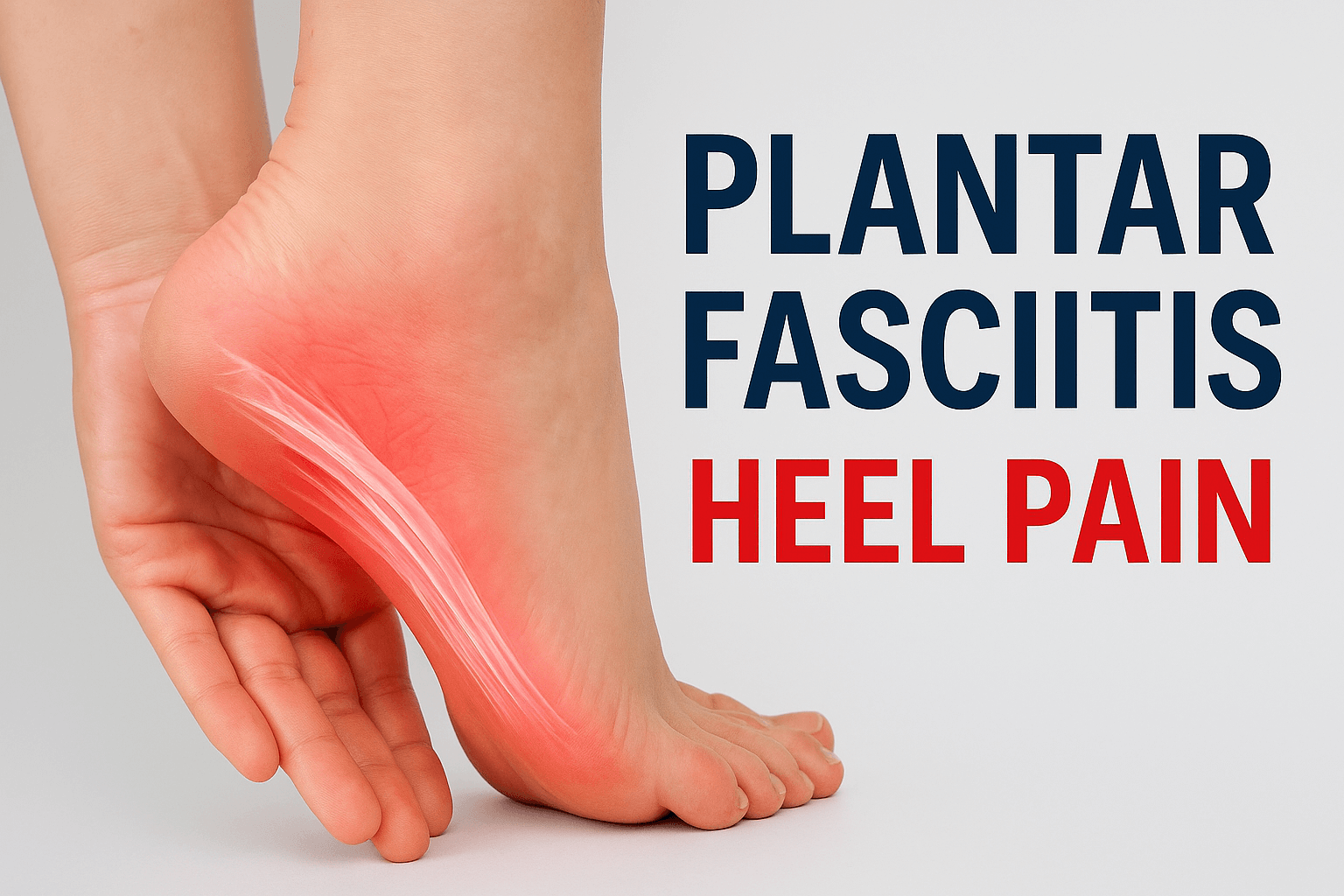
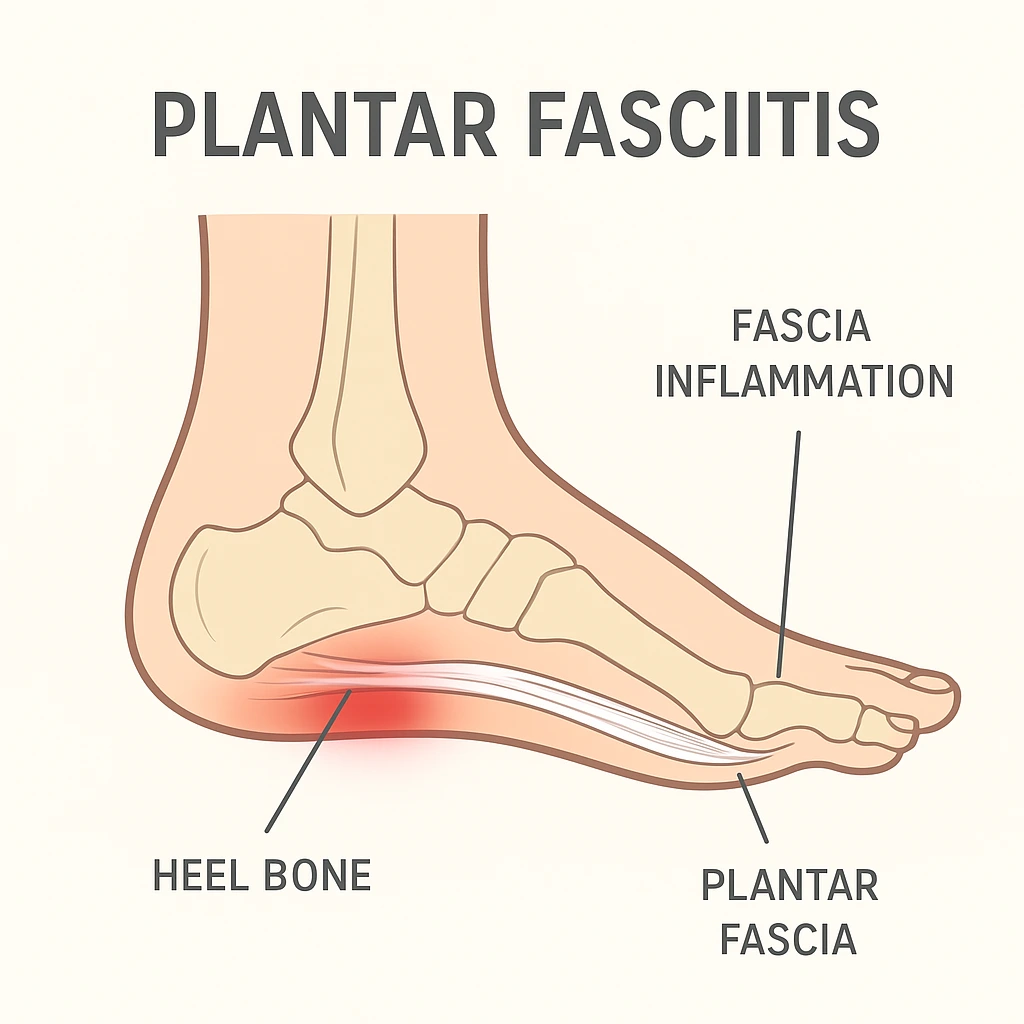
Plantar fasciitis is one of the most common causes of heel pain, affecting millions of adults each year. It develops when the plantar fascia—a thick band of tissue that connects the heel bone to the toes—becomes inflamed or overstressed.
This fascia supports your foot’s arch and absorbs shock while walking or running. Repeated strain can lead to microtears, inflammation, and pain—especially during your first steps in the morning or after standing for long periods.
What Are the Common Symptoms?
Recognizing early signs can help prevent long-term discomfort. Typical symptoms include:
- Sharp heel pain when standing after rest or sleep
- Arch pain or soreness spreading through the midfoot
- Tightness or stiffness after inactivity
- Worsening pain after long walks, workouts, or prolonged standing
These symptoms may ease as you move, but often return later in the day. Early diagnosis and consistent management are essential.
Main Causes of Plantar Fasciitis
Several lifestyle and physical factors can trigger or worsen plantar fasciitis:
- Excess weight: Increases pressure on your feet and fascia.
- Long hours of standing: Continuous strain from occupational habits.
- Improper footwear: Flat or unsupportive shoes damage the fascia over time.
- Foot structure issues: Flat feet, high arches, or overpronation cause imbalance.
- Sudden activity: Running or jumping without proper stretching or warm-up.
👉 Learn more from the American Podiatric Medical Association
Diagnosis: How Do Doctors Confirm It?
Diagnosis usually involves a physical examination and pain mapping of the heel and arch area. In some cases, ultrasound or X-rays may be recommended to rule out other conditions such as heel spurs or nerve entrapment.
Effective Treatments for Plantar Fasciitis
The majority of patients recover through conservative, non-surgical care when managed properly.
1. Non-Surgical Treatments
- Rest and recovery: Limit high-impact activities until inflammation subsides.
- Stretching routines: Target the calf muscles, Achilles tendon, and plantar fascia daily.
- Physical therapy: Use heat, ultrasound, or shockwave (ESWT) therapy for faster healing.
- Supportive footwear or orthotics: Provide arch stability and cushion heel impact.
- Medication: Short-term anti-inflammatory use may relieve pain.
2. Surgical Treatment (Rare)
When pain persists beyond 6–12 months of consistent non-surgical therapy, fascia release surgery may be considered. However, this option is only for chronic cases unresponsive to other treatments.
Prevention: How to Protect Your Feet
Preventing plantar fasciitis starts with healthy habits and daily awareness:
- Wear shoes with cushioning and arch support.
- Maintain a healthy weight to reduce foot strain.
- Stretch your feet and calves every morning and before exercise.
- Take breaks if standing for long periods.
- Use orthotic inserts or heel cushions during high-impact activities.
Home Remedies and Daily Care Tips
- Stretch before getting out of bed to reduce morning pain.
- Apply an ice pack for 10–15 minutes after activity.
- Roll a tennis ball under your foot to loosen the fascia.
- Elevate your feet slightly while resting to ease swelling.
Conclusion: Take Care of Your Feet, Every Step of the Way
Plantar fasciitis can interfere with your daily life, but with proper care it’s highly treatable. By combining smart footwear choices, consistent stretching, and rest, you can reduce pain and prevent recurrence.
Key Takeaways:
- Address symptoms early through rest and stretching.
- Invest in supportive footwear and custom insoles.
- Maintain consistency in daily care and prevention.
With the right care, your feet can recover stronger than ever—step by step.
References: